The Sooner You're Selective About Your K-Pop Communities, The Saner You'll Be
You don't have to consume everything in K-Pop, and that includes which communities online you choose to inhabit.
The K-Pop industry is built in part on over-engagement. You're supposed to consume every bit of content for your favorite groups, from small posts on chat platforms to the big things like comeback snad album releases. Multiply that by 4 or 5 groups and before you know it, you're following something happening every day and sometimes every few hours, depending on how many groups and acts it is.
Given all this, it's not that surprising to me when fans are all over every fan community for K-Pop all of the time - because if you don't want to have serious Fear Of Missing Out (FOMO) syndrome, you have to be up on not just what's posted officially, but how people are reacting to it, too.

The problem is, such mass consumption combined with a bunch of folks crammed into a few social media spaces that are often not moderated means you're inevitably going to run into not-so-great content. I probably have a whole other article (heck, maybe more than one, plus a video or two) about how we got here from a social media standpoint, but just to keep things relatively short I'll just say that at least as far as K-Pop is concerned, that drive and need to consume, backed by the industry, has created communities that oftentimes fans continue to associate with, even if they find content that is blatantly hostile, like the above.
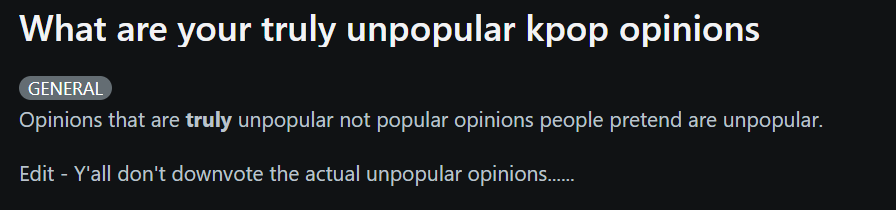
Even when that's not the case, there are moderate to hugely popular fan communities on social media that I sometimes feel fans feel pressured to join, participate in, and ultimately continue to visit, even if they don't feel good doing so, given what they have to read from their fellow K-Pop fans.

Everyone's subject to this, even someone who's done social media work professionally like me. I remember a few years back, I posted a now-deleted tweet lending my thoughts about the K-Pop Social Media Reputation Index, a monthly measurement of the relative popularity of K-Pop artists on social media platforms. All I did was talk about how trying to "game" the system to rank higher was an imperfect science and that rankings didn't necessarily reflect that attempted manipulation by fans. The Index itself is hidden behind the Korean Business Research Institute's formulae for calculation, which has never been wholly or even partially transparent, and it's unclear how accurate the Index really is as a result.
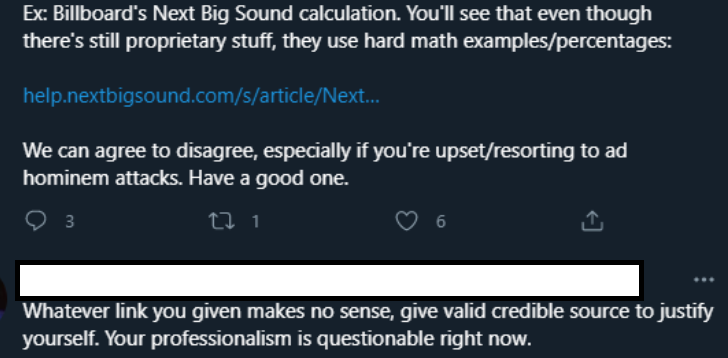
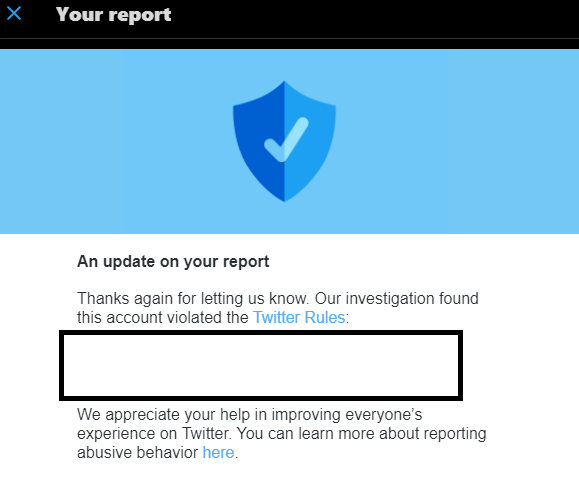
In my naivety, I thought the post would be received with some level of thoughtfulness and interest, but instead, I was inundated for days by angry fans of one of the Index's top artists, also a member of a really popular group. And while I engaged in a few of the more rational folks on the platform, the entire experience resulted in a bunch of muted and blocked accounts and in the worst cases, people attempting to compromise my access.
It was wild, but it taught me a critical lesson - I don't need to be on the platforms that I don't want to be on. I don't have to look at everything on every platform that my favorite K-Pop groups offer me. I don't have to stick around if I find something objectionable or not comfortable about what fans are saying.
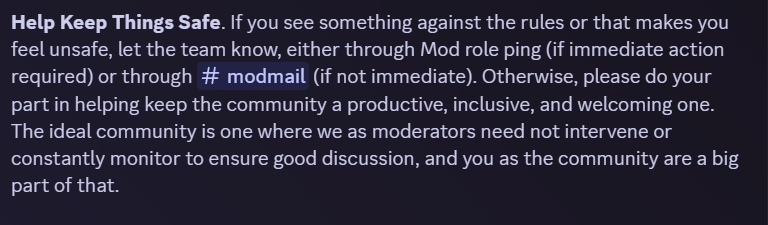
Instead, I can be selective about where I want to participate and figure out my own requirements for being in a K-Pop community. For me, it's having the space be moderated, and in a way that aligns with how I feel a community should be run to create productive discussion, build shared camaraderie, have fun, and be safe doing so. If it's not moderated, or the content doesn't jive with what I think is comfortable for me, I just don't bother. Leaving X/Twitter almost entirely, reducing the number of Reddit and Discord communities I follow to no more than five places, being ok with exiting or not even bothering to engage with discussions that I think aren't going anywhere productive - that's the way I approach my K-Pop fandom these days, and boy, is it much better on my sanity to do so.
The sooner that people understand that they don't have to do things in K-Pop communities if they don't want to, the better. Seemingly endless cycles of toxicity and people attacking and defending their opinions are prevalent partly because we feel obligated to participate, even when places give us content that we find terrible. Trust me when I say that with the ability to aggregate, re-post, and share content these days, not being on a platform or community doesn't mean you miss the latest news - only that you'll be in a lot better headspace to consume it.